

Türkçe
- Boşluk bedende başlar. Su dolu bir boşluğa sığmaya çalışarak başladığımızdan olabilir, bilmiyorum. Nasıl hissediyorsun deseniz, bu zamanlar için, en çok boşluk hissediyorum derim. Negatif bir his değil bu, nötr. Yola düşürüyor, yazdırıyor.
- Bu hissin adını koymam seneler evvel Bebek’te olmuştu. Henüz çocuklarım doğmamıştı, onları karnımdaki boşlukta büyütmemiştim. Sıcak bir yaz günüydü; altımdaki lacivert şortu, üzerimdeki gri askılı bluzu, saçımdaki aksesuarı hatırlıyorum. Bebek’e baktım — ki kim ne derse desin, çok severim — güzellik vardı ve boşluk. O zaman anlam verememiştim, sadece ad vermiştim. İzi karnımda kalmıştı.
- Geçen hafta sevgili editörüm Hülya Balcı ile seneye yayımlanacak romanım Adsızlar Defteri için Çeşme’de buluştuk. Sazların hışırtısı, ağustos böceklerinin cırlaması arasında metnin metafiziğini konuşurken daha önce kendimden başkasına söylemediğim bir şeyi ilk kez ona, sesli söyledim: Bu metin boşluk üzerine.
- Roman için Hipodrom üzerine epey okudum. Asırlar önce orada koşan atların, çığlık atan kalabalıkların yerinde bugün birkaç dikilitaş dışında büyük ölçüde bir yokluk var. Hipodrom’un boşluğu kendini İstanbul’un bedenine, tam da göbeğine bir iz olarak çakmış. Göbek deliği adeta. Hemen yanı başında ise Aya Sofya bütün heybetiyle duruyor. Biri dolu, öteki boşalmış, ikisi yan yana, aynı meydanda. Tezat her şeyi berraklaştırıyor. (Not: Aya Sofya’nın adını bilhassa ayrı yazıyorum; birleşik yazımın politik bir dayatma, bir unutturma, bir damnatio memoriae olduğunu düşünüyorum.)
- Geçen sene okuyup çok sevdiğim romanlardan biri de boşluğa beden üzerinden bakıyor: David Szalay’ın Beden’i. Roman üzerine yazımı buradan okuyabilirsiniz: Beden (Flesh), David Szalay
Aşağıda Tohu va-Bohu’nun anlamına göz attıktan sonra, içinize düşen ilk imgeyi ya da yeri yorumlarda paylaşmak isterseniz yazın, olur mu? Benim yukarıda yaptığım gibi zıttıyla düşünmek de bir yöntem olabilir.
TOHU VA-BOHU
Tekvin’in (Genesis) 1:2 ayetinde, ışığın yaratılışından hemen önce, yeryüzünün hâlini tarif eden bir İbranice tamlama: Tohu va-bohu. En yaygın çevirisiyle “şekilsiz ve boş.”
Tohu, Kitabı Mukaddes’in başka yerlerinde, özellikle Yeşaya’da, tekrar tekrar karşımıza çıkar, genelde “hiçlik” ya da “beyhudelik” anlamında. Bohu ise çok daha nadir: Tekvin 1:2 dışında Kitabı Mukaddes’te yalnızca iki kez daha geçer: Yeşaya 34:11’de ve Yeremya 4:23’te. Yeremya’daki kullanım da doğrudan Tekvin 1:2’ye bir göndermedir.
Modern İbranicede “tohu va-bohu” gündelik dilde keşmekeşi, dağınıklığı tarif etmek için de kullanılıyor.
Kaynak
Tekvin 1:2; Brown-Driver-Briggs İbranice-İngilizce Sözlüğü
Yaratılışın ilk iki günü. William de Brailes. Yaklaşık 1250.
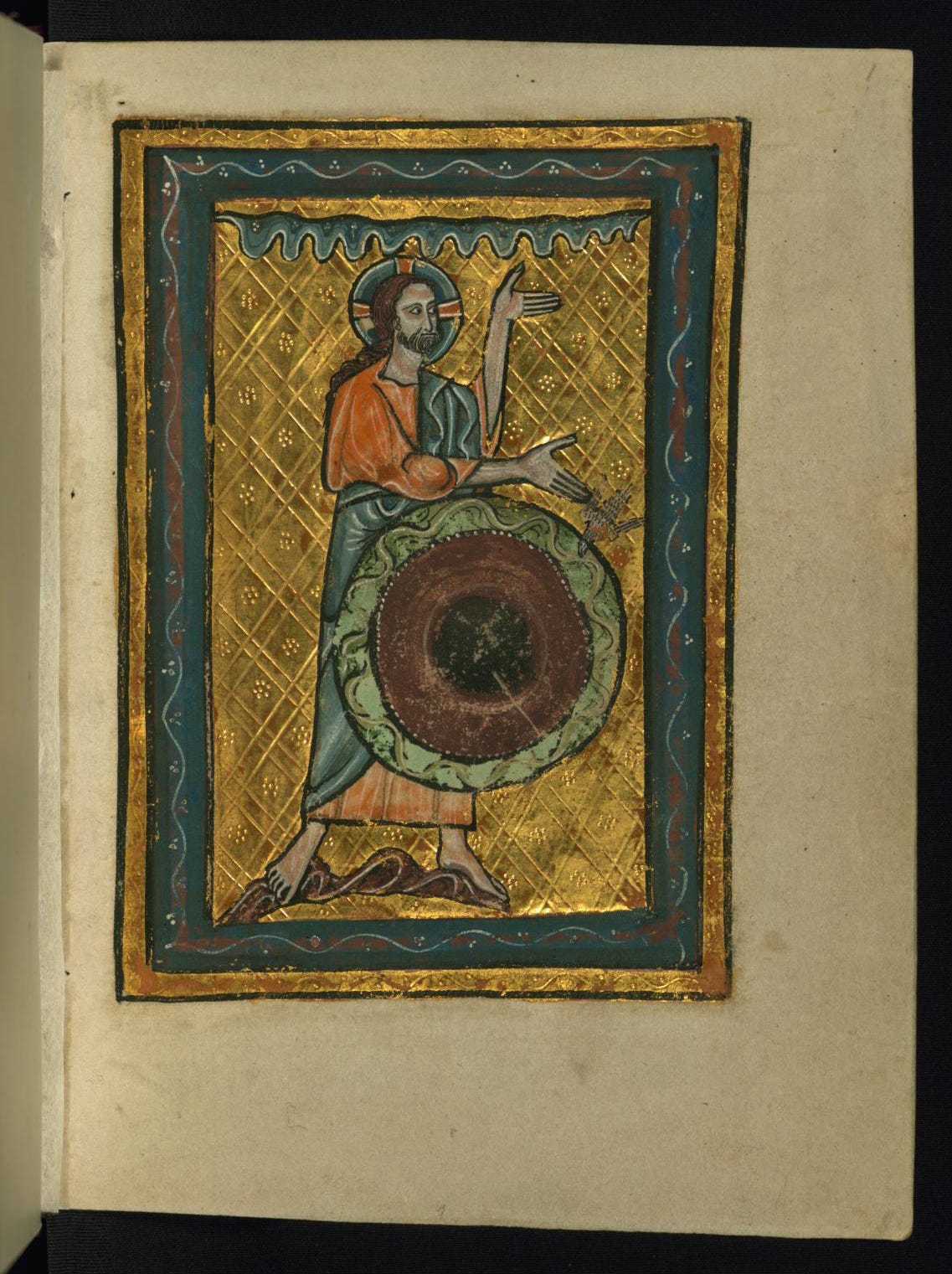
William de Brailes Minyatür / The Walters Art Museum Açıklama
English
- Emptiness begins in the body. Maybe it’s because we begin by trying to fit inside a water-filled void, I don’t know. If you asked me how I feel these days, I would say that what I feel most is emptiness. It isn’t a negative feeling; it’s neutral. It sends me out into the world. It makes me write.
- I first put a name to this feeling years ago, in Bebek. My children had not yet been born; I had not yet grown them in the emptiness inside my belly. It was a warm summer day. I still remember the navy shorts I was wearing, the grey tank top, the accessory in my hair. I looked at Bebek - which I love dearly, whatever anyone says - and there was beauty, and there was emptiness. I couldn’t make sense of it then; I could only name it. Its trace remained in my belly.
- Last week, I met my dear editor Hülya Balcı in Çeşme to talk about my novel Adsızlar Defteri, which will be published next year. Amid the rustle of reeds and the drone of cicadas, as we talked about the metaphysics of the text, I said something to her and aloud for the first time, something I had never told anyone but myself: This text is about the void.
- For the novel, I read a great deal about the Hippodrome. Where horses once raced and crowds once roared, little remains today beyond a few obelisks. Mostly, there is absence. The emptiness of the Hippodrome has embedded itself as a mark in Istanbul’s body, right at its navel. A belly button, almost. Right beside it stands Aya Sofya in all its grandeur. One is full, the other emptied; the two stand side by side in the same square. The contrast brings everything into focus.
(Note: I deliberately write Aya Sofya as two words. I consider the spelling of it as one word a political imposition, an act of forgetting, a damnatio memoriae.)
- One of the novels I read and loved last year also looks at emptiness through the body: David Szalay’s Flesh. You can read my piece on the novel here: Flesh, David Szalay
After reading about the meaning of tohu va-bohu below, would you share the first image or place that comes to mind in the comments? Thinking about something through its opposite, as I have done above, can also be a way in.
TOHU VA-BOHU
In Genesis 1:2, just before the creation of light, a Hebrew phrase describes the state of the earth: tohu va-bohu. Its most common translation is “without form and void.”
Tohu recurs elsewhere in the Hebrew Bible — especially in Isaiah — usually with the meaning of “nothingness” or “futility.” Bohu is far rarer: outside Genesis 1:2, it appears only twice more in the Hebrew Bible, in Isaiah 34:11 and Jeremiah 4:23. The passage in Jeremiah is a direct allusion to Genesis 1:2.
In modern Hebrew, tohu va-bohu is also used colloquially to describe a mess or a state of disorder.
Source
Genesis 1:2; The Brown–Driver–Briggs Hebrew and English Lexicon
The First Two Days of Creation. William de Brailes, c. 1250.
William de Brailes Minyatür / The Walters Art Museum Explanation
Üstadım yazınızı okudum, çok güzel bir yazı . Bende Anadolu batini geleneğinin bakışını hatırlattı, şekilsizlik , boşluk, Mekansız ( Lemakan) ... Hepsi bir devriye (döngü). Onun için Devrin daim olsun deriz sonsuzluğa gidenleri ... kaleminize sağlık 🪬❤️
Bazen, hatta çoğu kez, bize asıl işlevimizi veren şey, içimizdeki boşluk bence. Doğum örneğin gibi. Benim “topraktan kabım” gibi. Boşluğu da, hiç’liği de çok hafife alıyoruz bence.
“Sanki önce bulandım. Sonra yoğruldum. Sonra döndüm de döndüm. En son kor ateşle piştim. Şimdi ise içimde kocaman bir boşluk topraktan bir kap gibiyim.
Gelsin gelen, olsun olan. Ben sadece durayım.
Durayım ve seyrine bakayım,
Yürüyüp de ben yoluma varayım.
Sır’rıma ermiş topraktan bir kap gibi, içimdeki boşlukla dolayım...”